Tirzepatide vs Semaglutide: Which GLP-1 Medication is Best?
If you've been trying to lose weight but feel like no matter what you do the scale won't budge, you're not alone. Many people put in the effort every day, yet still struggle to see meaningful results.
Medications like GLP-1s have helped many people, including my clients, finally see progress with weight loss while also helping to manage different health conditions. Two of the most commonly prescribed GLP-1 medications today are semaglutide and tirzepatide.
Both are effective options for medical weight loss, and I've seen firsthand how well they can work when used as part of a structured program like the one at Sii Bello Beauty Bar.
When clients first start their medical weight loss journey with me, one of the most common questions I hear is:
"What's the best GLP-1?"
And the honest answer is...well...it's complicated.
It's complicated because there isn't a one-size-fits-all GLP-1 medication. The "best" option depends on the person: their medical history, lifestyle, and how their body responds to treatment.
So in this blog, we're going to dive deeper into this question and review:
The differences between semaglutide and tirzepatide
How much weight loss you can expect on a GLP-1
Tips I give to all of my clients on a GLP-1
How I pick the best weight loss medication for you
But first, let's review what GLP-1 medications are and exactly how they work.
How do GLP-1 Medications Work for Weight Loss?
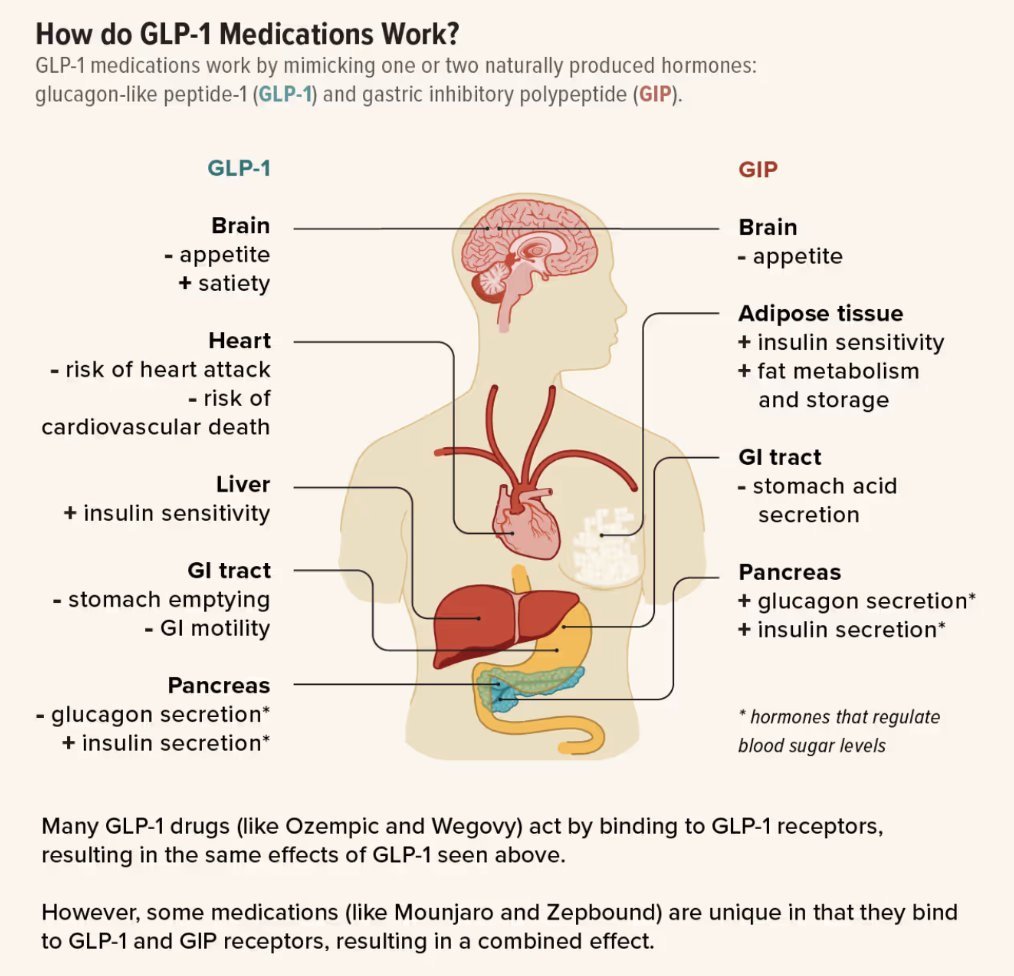
GLP-1 medications, or GLP-1 receptor agonists, mimic a naturally-occurring hormone in the body called GLP-1 (glucagon-like peptide-1). This hormone plays a key role in regulating appetite, digestion, and blood sugar levels.
When combined with dietary changes and exercise, GLP-1s can help people lose weight by:
Increasing feelings of fullness
Reducing hunger
Decreasing cravings
GLP-1 medications also help improve insulin sensitivity and blood sugar regulation, so they're often used for treating type 2 diabetes and prediabetes. Additionally, GLP-1 medications including semaglutide and tirzepatide have been shown to decrease the risk of having a heart attack.
In addition to GLP-1, Tirzepatide also mimics a hormone called gastric inhibitory polypeptide (GIP), which also helps with appetite and blood sugar control. The effects of both GLP-1 and GIP are broken down in the graphic below.
Because GLP-1 medications affect digestion, appetite, metabolism, and blood sugar control, medical supervision is essential. Working with a medical professional helps ensure that dosing is adjusted safely, side effects are managed early, and weight loss happens at a safe rate.
With that in mind, how much weight can you realistically expect to lose while taking a GLP-1?
Typical Weight Loss on GLP-1 Medications
There are many studies that have looked at the average weight loss while taking GLP-1 medications like semaglutide and tirzepatide. And while results can vary from person to person, tirzepatide tends to result in more weight loss than semaglutide.
The increased weight loss with tirzepatide is because it works on two appetite and weight-regulating hormones instead of one.
A study from 2025 looked at 9,916 overweight or obese patients on either semaglutide or tirzepatide, and they found that after one year on these medications, people lost an average of:
14.1% body weight on semaglutide
16.5% body weight on tirzepatide
These numbers are consistent with the weight loss my clients have had taking these medications as part of a balanced weight loss program.
However, just because people tend to lose more weight with tirzepatide doesn't necessarily mean it's "better" than semaglutide. The "best" GLP-1 for you depends on many factors. So let's go over each of these medications in a little more detail.
Semaglutide (Ozempic/Wegovy)
Semaglutide is a GLP-1 medication that helps regulate appetite and blood sugar by acting like the hormone GLP-1, which your body already makes. By increasing feelings of fullness and reducing hunger, semaglutide can make it easier to eat smaller portions and lose weight.
For clients starting a medical weight loss program for the first time, semaglutide is often a great option. It tends to be well-tolerated, with fewer or milder side effects for many people.
Semaglutide may be a good fit you if:
You're new to GLP-1 medications
You have a sensitive stomach or digestive system
Tirzepatide (Mounjaro/Zepbound)
Tirzepatide works a little differently than semaglutide because it acts like two hormones that regulate appetite: GLP-1 and GIP. This dual action can lead to stronger appetite suppression and better blood sugar control, which is why studies have shown greater weight loss with tirzepatide compared to semaglutide.
For that reason, it may seen like everyone should be started on tirzepatide then, right?
Well, not quite.
Because of its stronger effects, some people may have more noticeable side effects like nausea or digestive issues, especially when doses are increased. But for others, these side effects are minimal or not an issue at all.
Tirzepatide may be a good fit for you if:
You've tried other GLP-1s without success
You had minimal side effects with other GLP-1s
Side Effects of Taking GLP-1s
The most common side effects of GLP-1s like tirzepatide and semaglutide are related to the digestive tract. These include:
Decrease appetite
Nausea
Diarrhea
Vomiting
Acid reflux
Less common side effects of GLP-1s like tirzepatide and semaglutide include:
Dehydration
Elevated heart rate
Skin irritation where the medication is injected
Pancreatitis (inflammation of the pancreas)
Conditions of the gallbladder like gallstones (cholelithiasis) and inflammation (cholecystitis), which are thought to happen due to rapid weight loss
Temporary vision changes in people with diabetic retinopathy
Low blood sugar
Side-by-Side Comparison of Tirzepatide and Semaglutide GLP-1s
| Semaglutide | Tirzepatide | |
|---|---|---|
| Mechanism | GLP-1 agonist | GLP-1 and GIP agonist |
| Weight loss potential | Strong, usually 14% of body weight | Strongest, usually 16% of body weight |
| Who it's best for |
|
|
| Side effects | Tend to be mild and can increase as dose increases | Tend to be mild to moderate and can increase as dose increases |
| Dosing | Once weekly injection | Once weekly injection |
When Is Weight Loss Visibly Noticeable?
The short answer to this question is that visible weight loss looks different for everyone.
Factors that influence when results become noticeable include:
Your starting weight
Your body composition (how much muscle vs fat your body carries)
Where your body tends to lose fat first
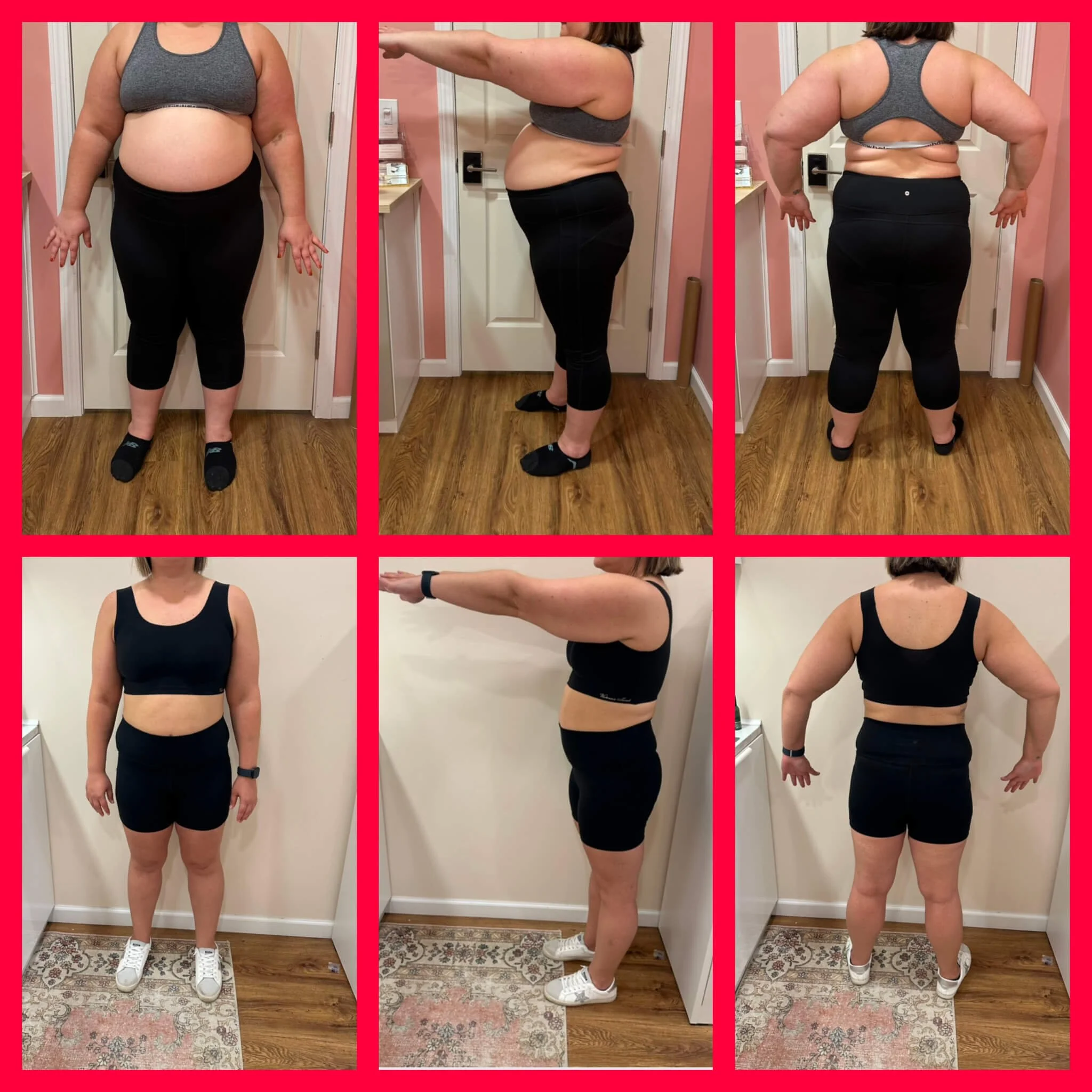
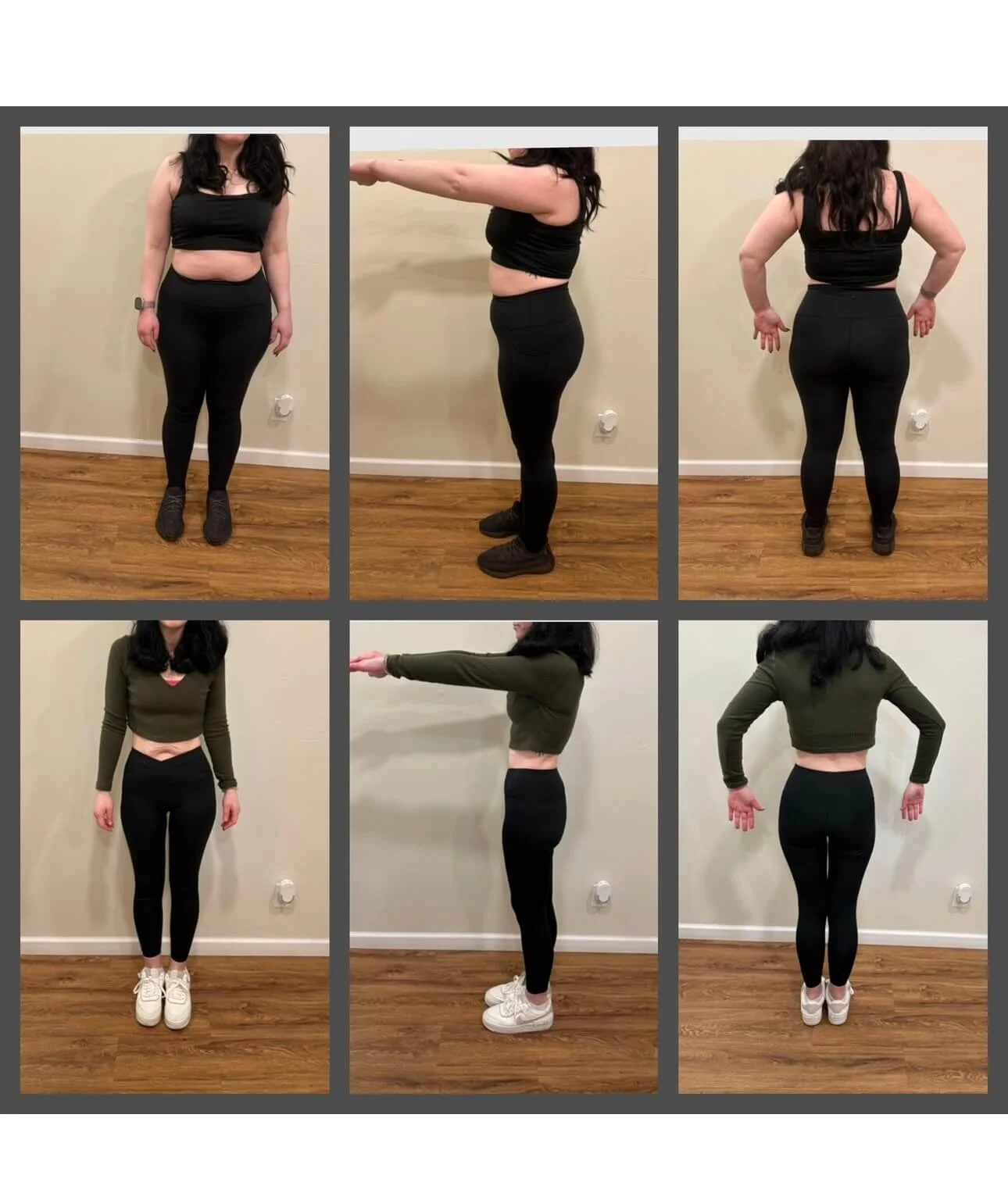
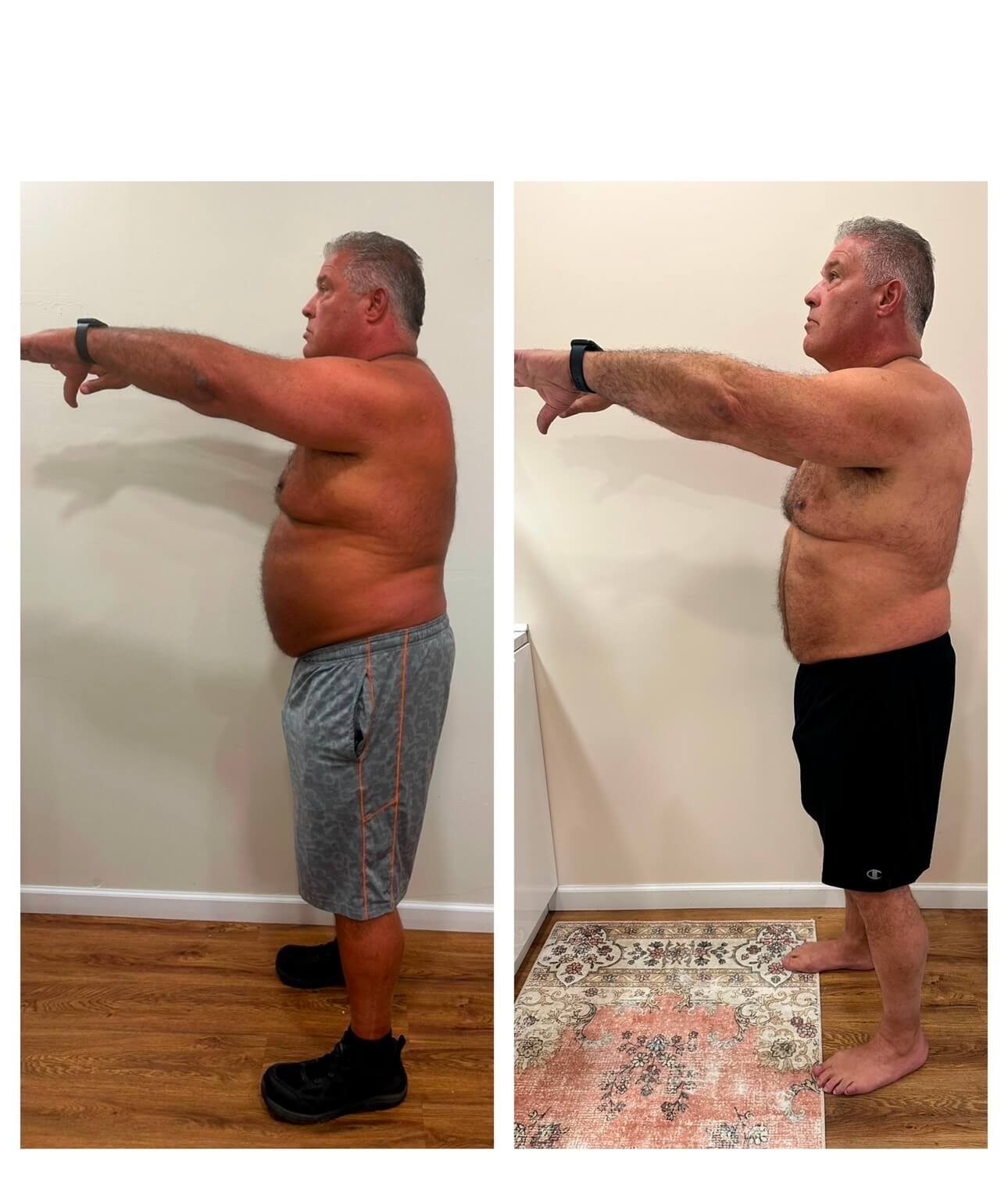
Many of my clients tend to notice changes in how they look before the scale starts to budge. Some of these non-scale victories are:
Clothes fitting differently
Decreased bloating
Improved energy
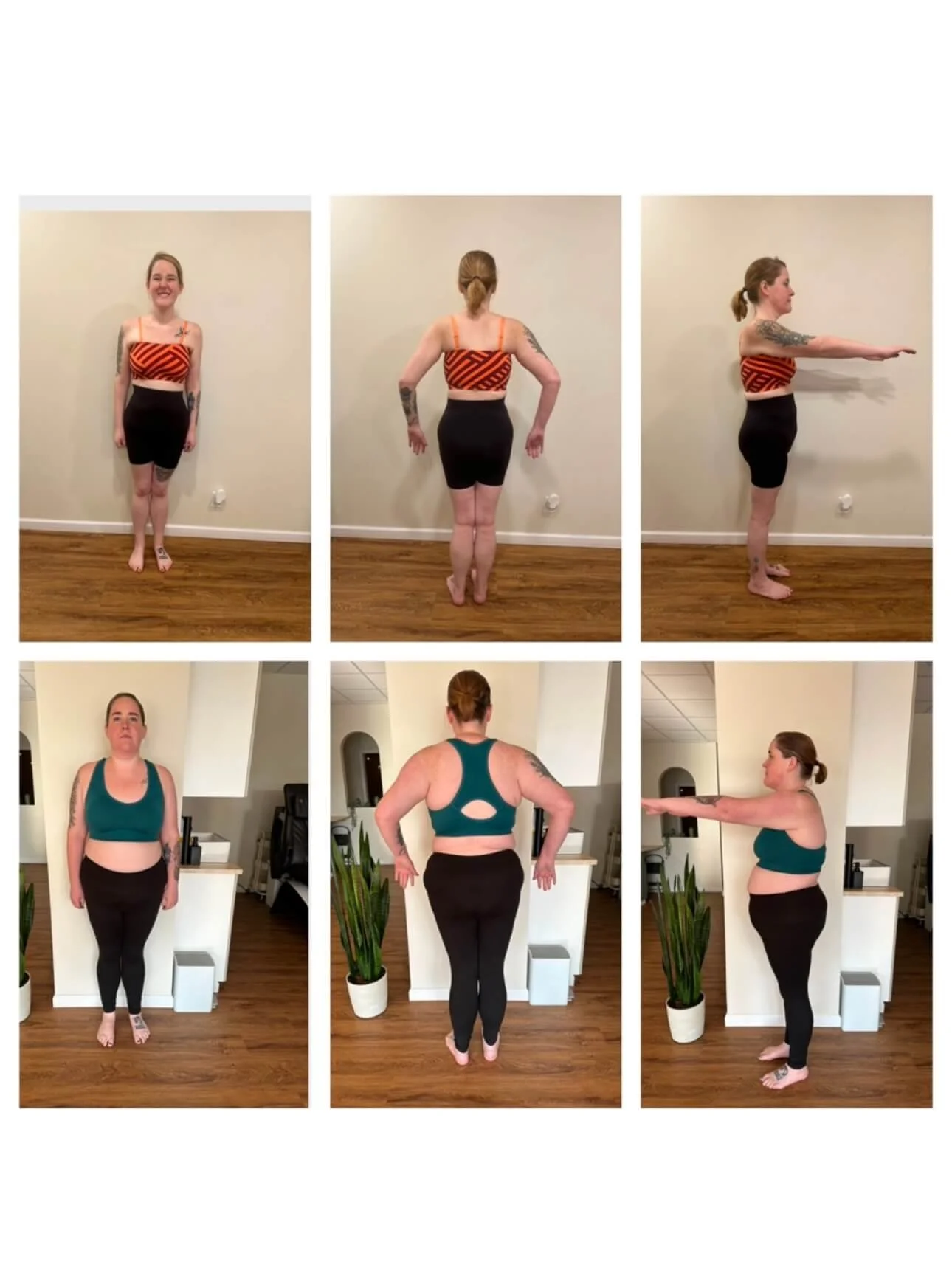
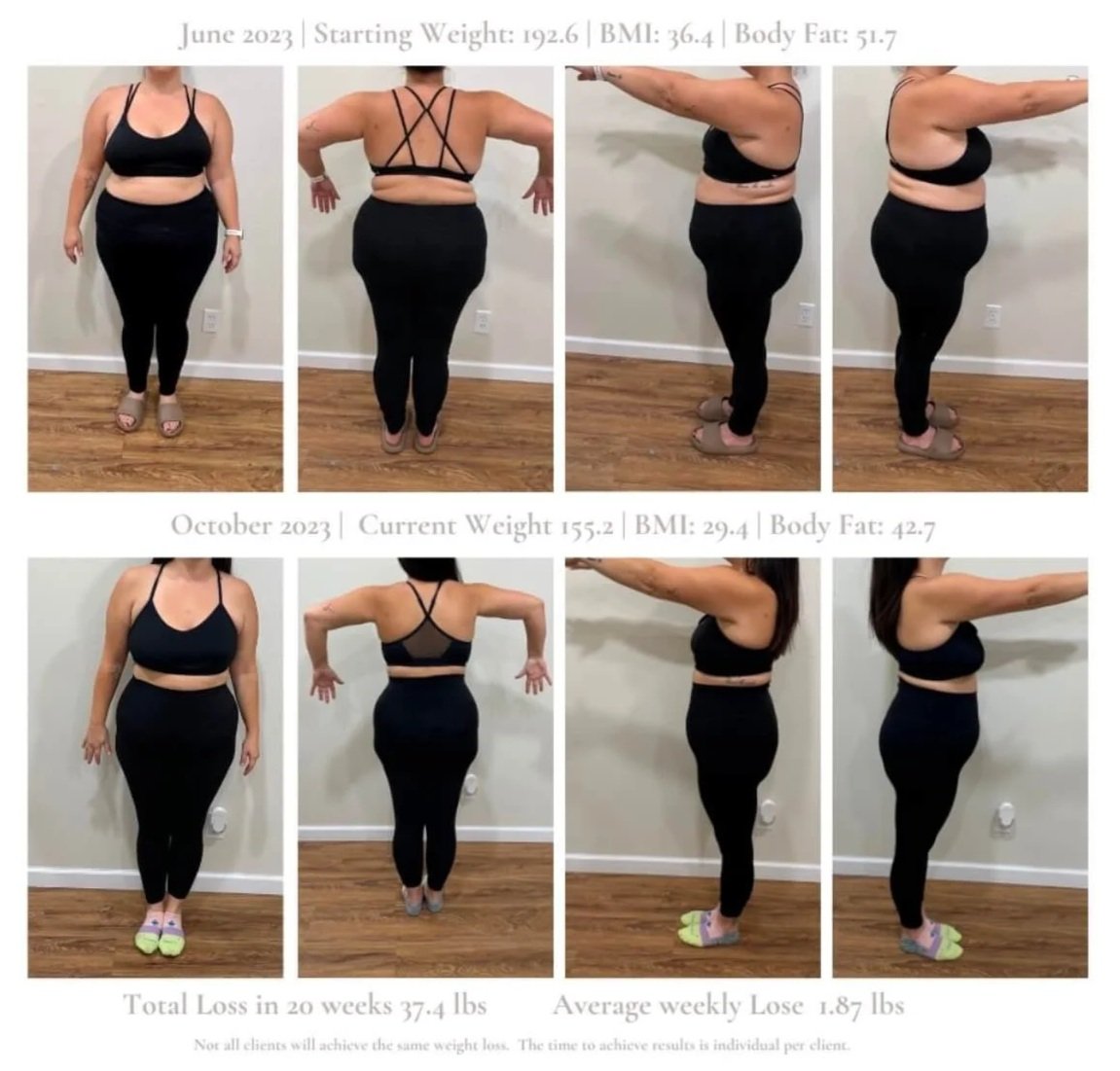
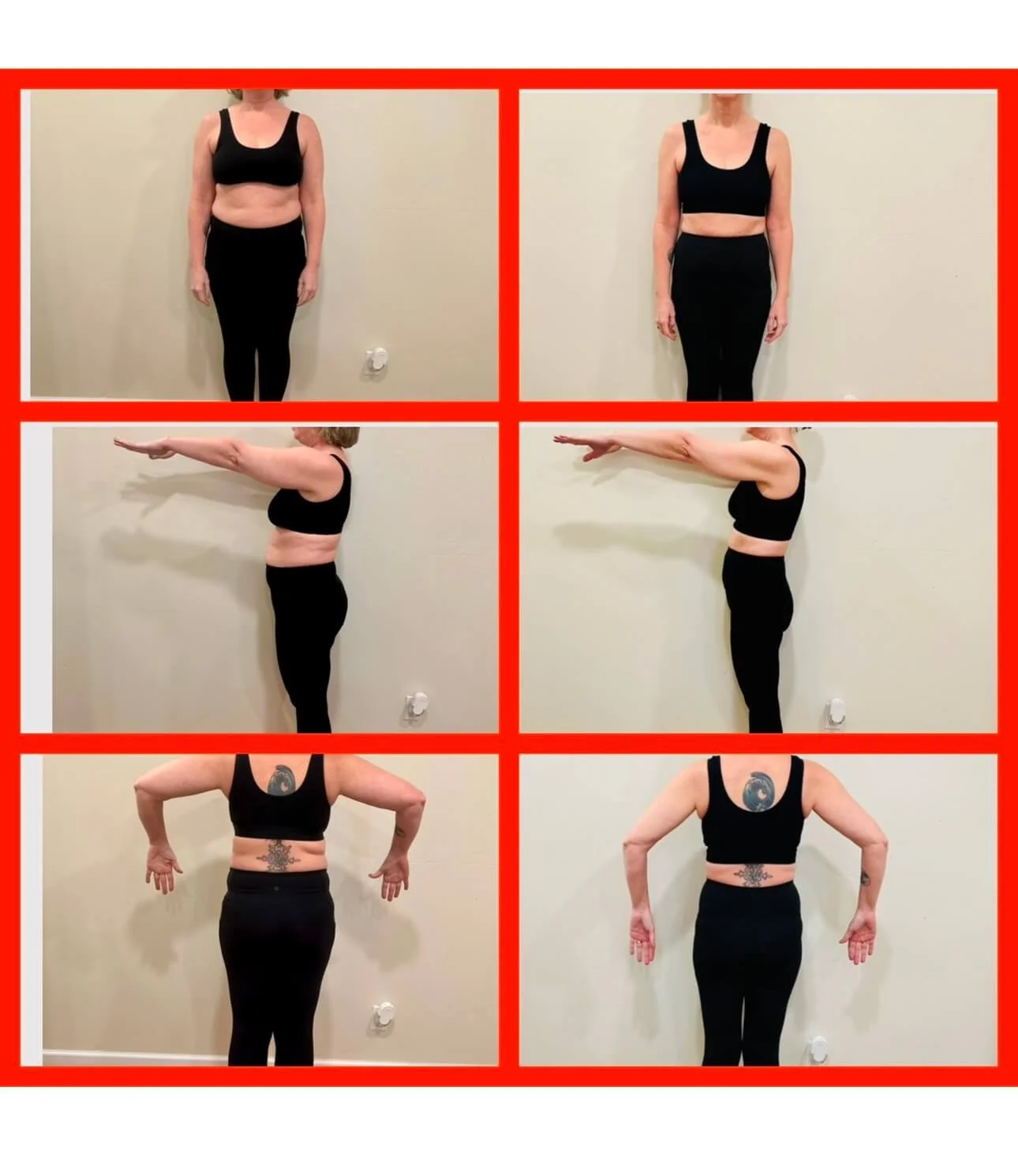
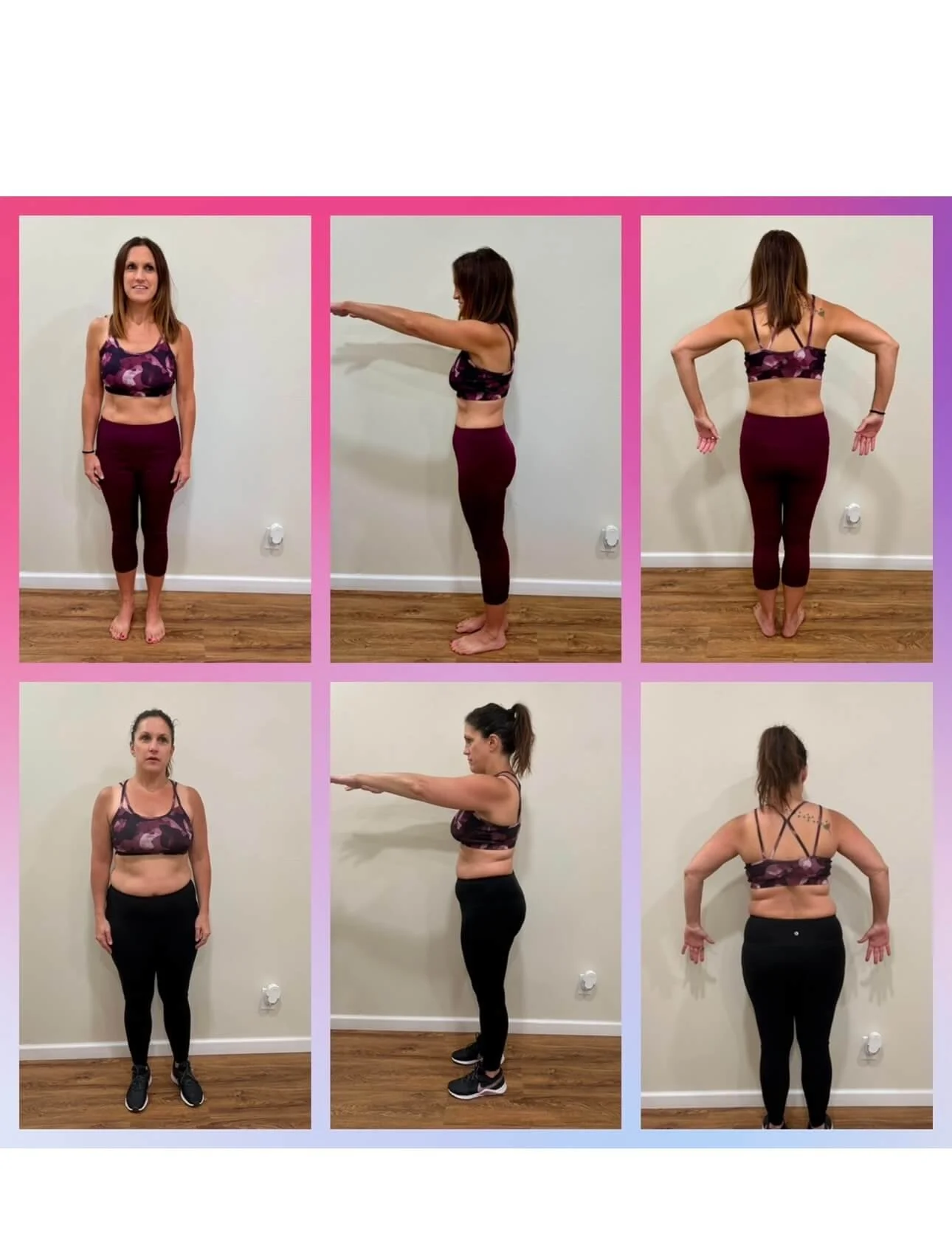
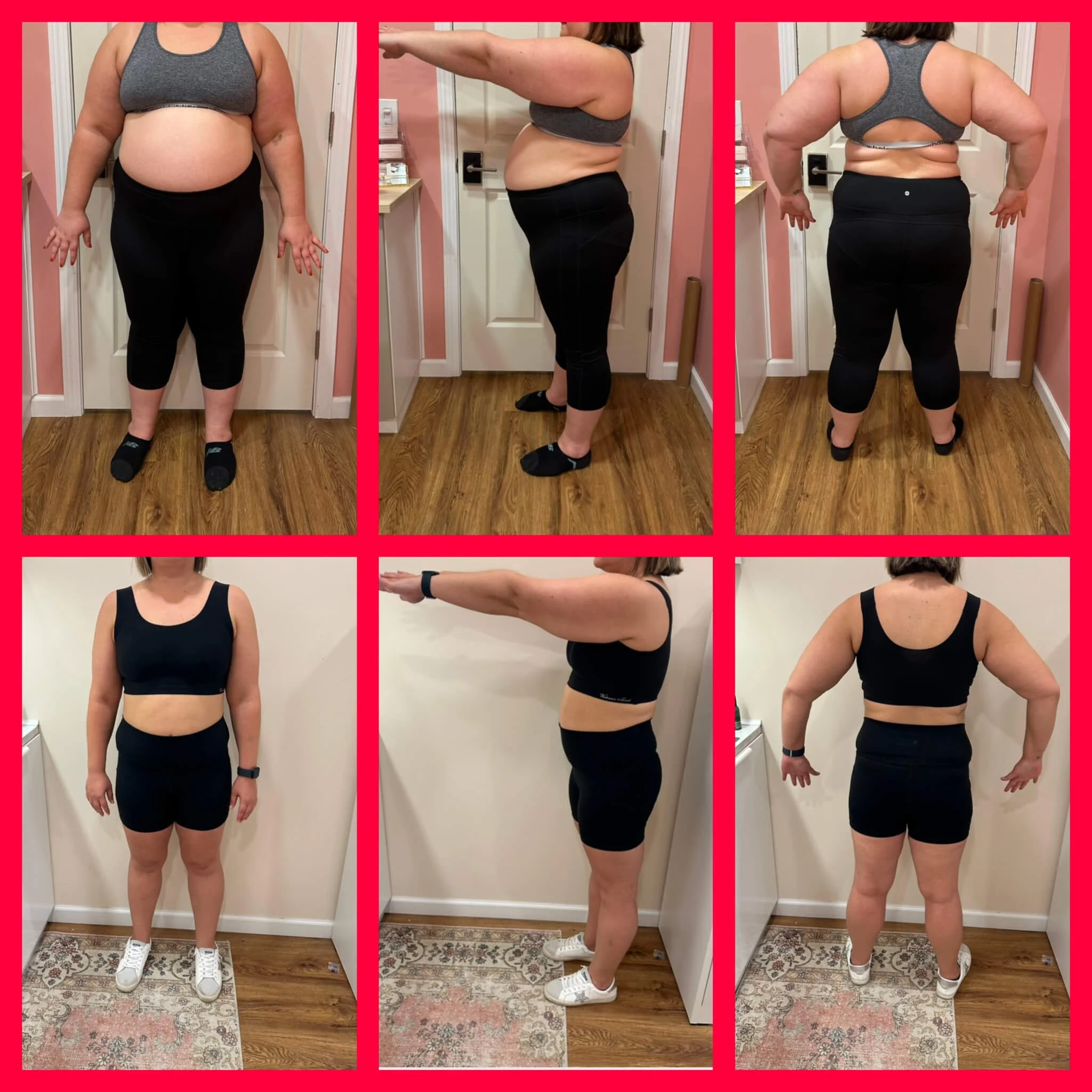
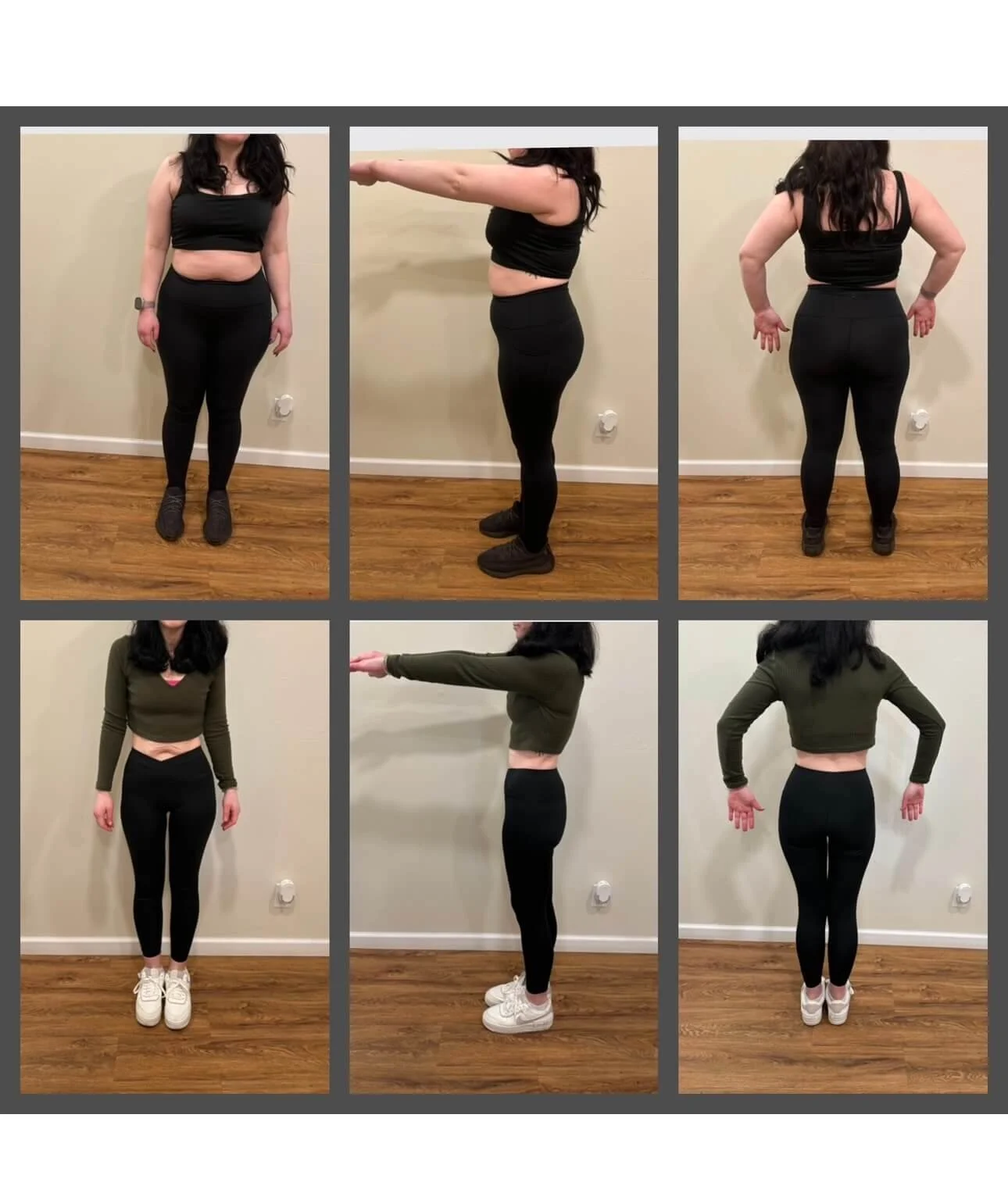
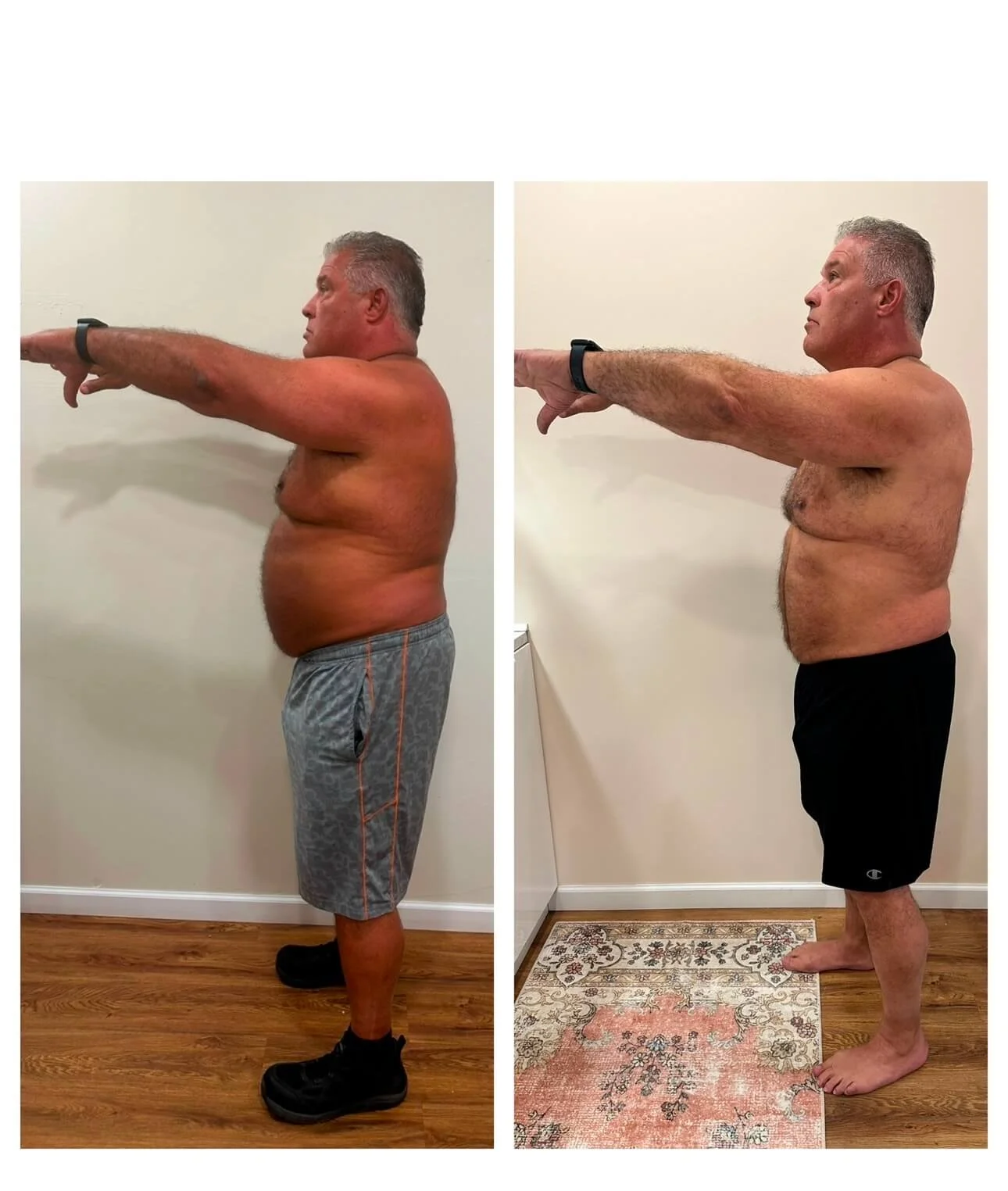
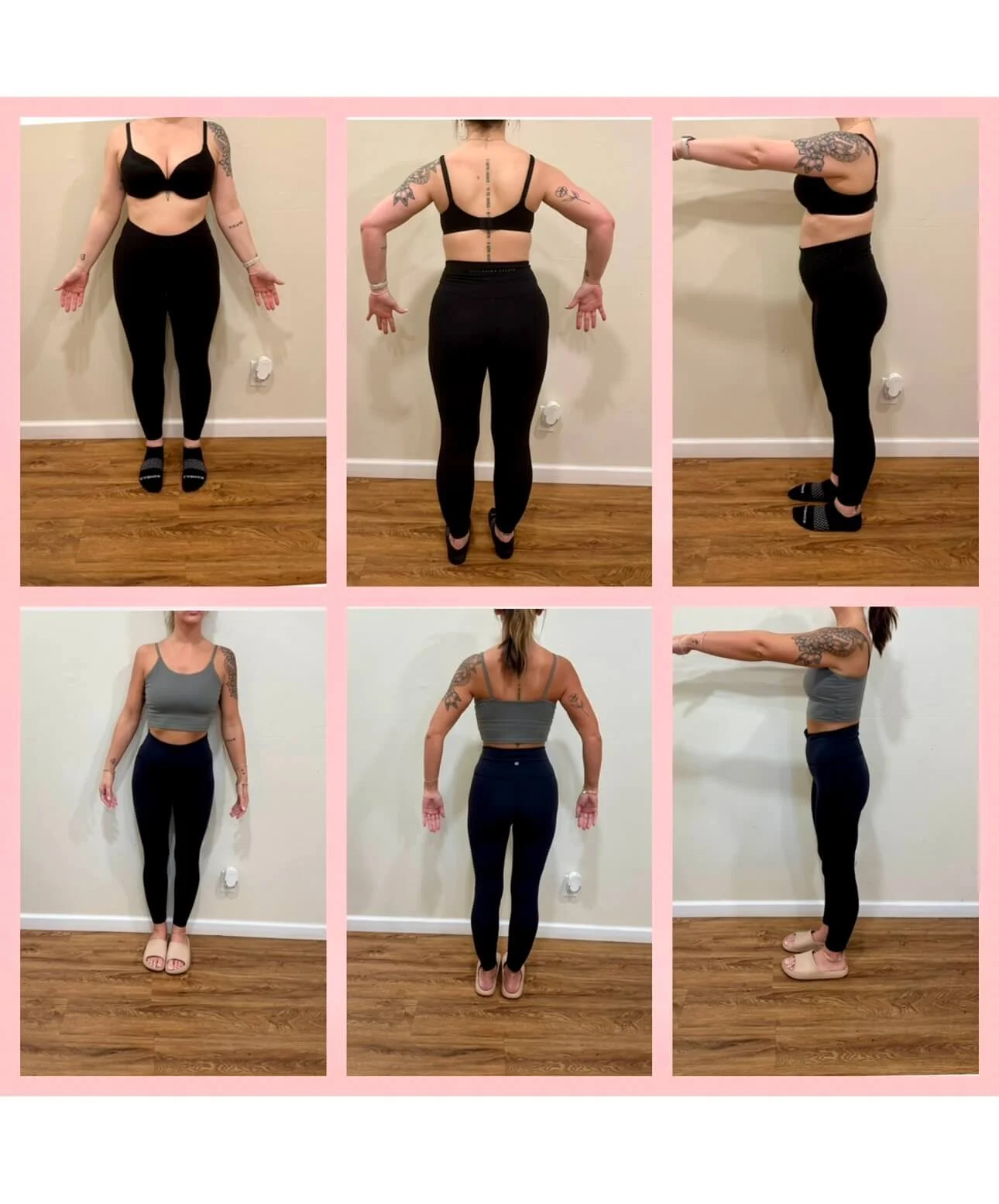
Here are just a few examples of clients that have had visible weight loss with GLP-1 therapy.
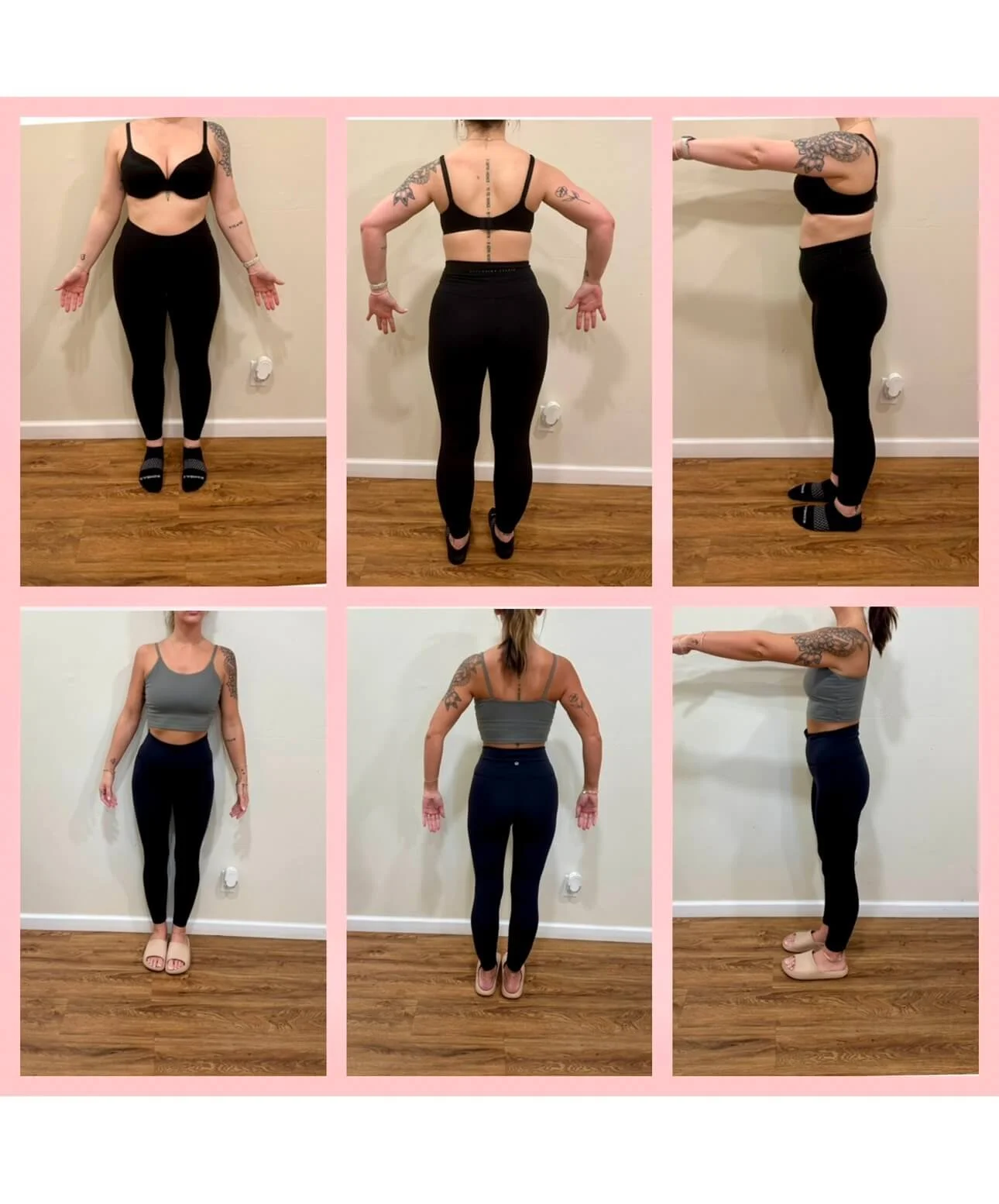
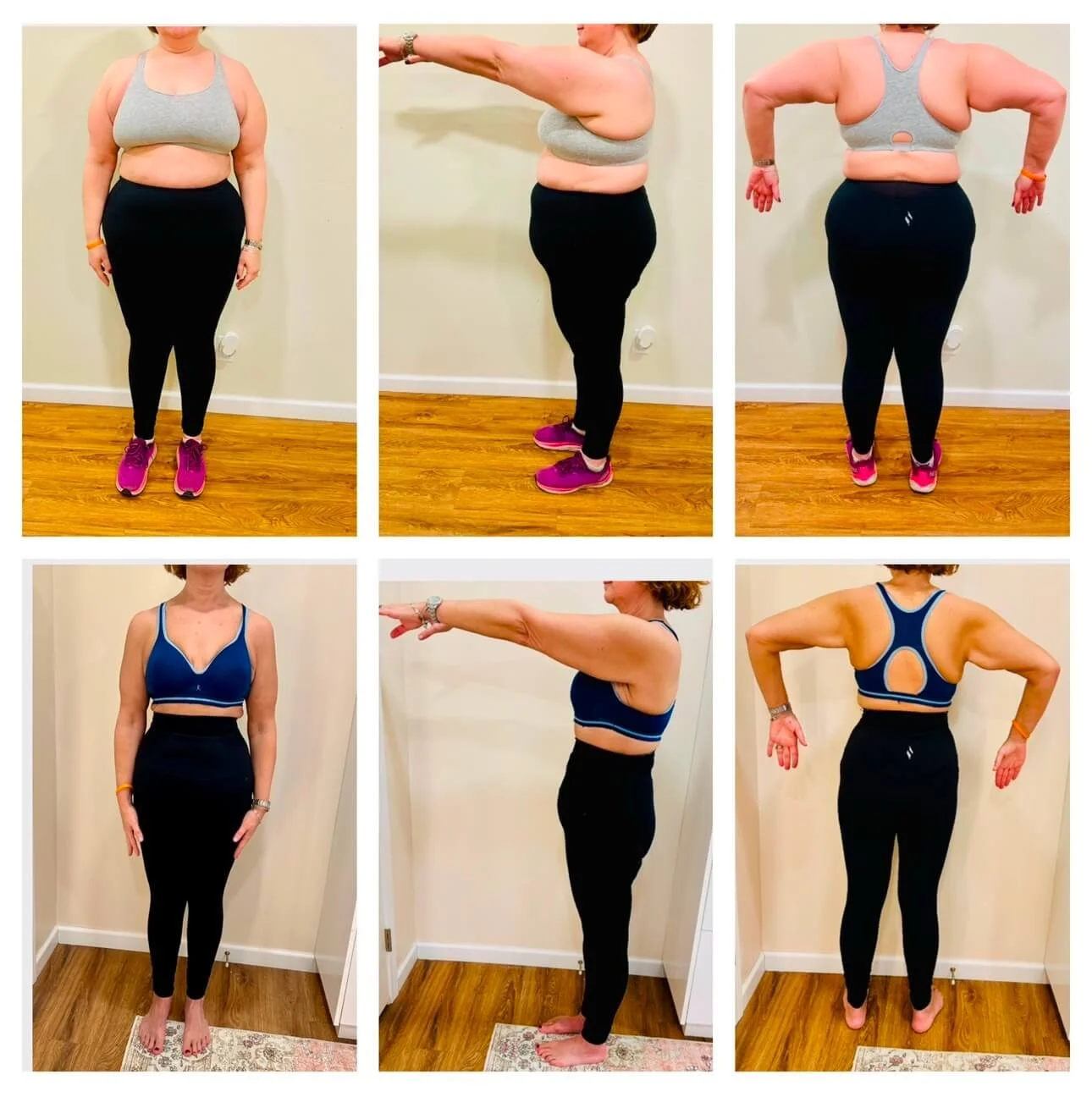
So when the weight starts to come off, how can we make sure the weight loss is safe?
What's Considered Medically Safe Weight Loss during a GLP-1 Program?
Because we live in a world of quick fixes, it's important to discuss what safe weight loss is from a medical perspective, especially when taking a GLP-1 medication.
Safe medical weight loss does not include rapid, extreme weight loss, skipping meals, under eating, or excessive exercise.
Instead, safe medical weight loss involves:
Gradual weight loss at a rate that's safe for you
Eating a balanced diet that nourishes your body
Maintaining your muscle mass and metabolism
A plan that's sustainable long-term
GLP-1 medications work the best when they support these goals instead of being used as a shortcut or quick fix.
From a medical standpoint, safe weight loss is approximately one to two pounds per week.
Weight loss that happens faster than this, especially while on a GLP-1 medication, can put you at an increased risk of:
Muscle loss
A slower metabolism
Conditions of the gallbladder like gallstones (cholelithiasis) and inflammation (cholecystitis)
Regaining the weight in the future
Poor energy levels
Because of these reasons, it's extremely important to be followed closely by a healthcare provider, like myself, when you're on a GLP-1 for weight loss.
How to Maximize Your Results When Taking a GLP-1 Medication
Even while taking a GLP-1 medication, how you eat and move your body will make the difference between seeing no results and transforming your entire body.
Here are some tips I recommend to all of my clients taking a GLP-1 medication.
Maintain Your Muscle Mass
Increasing your protein intake is one of the best ways to avoid losing muscle mass while taking a GLP-1.
How much protein you eat depends on your goals:
You should aim to eat at least 1 gram of protein per kilogram of body weight per day to avoid losing muscle mass while losing weight
If you want to gain muscle, you should eat at least 1.3 grams of protein per kilogram of body weight per day
For example, if you weigh 220 pounds (100 kilograms), you should eat at least 100 grams of protein per day to avoid muscle loss and 130 grams of protein to gain muscle.
Resistance training (AKA weight lifting) is another great way to build and maintain muscle. I typically recommend that clients lift weights three to four days each week, making sure to target both the upper and lower body.
Eat Well and Stay Hydrated
While GLP-1 medications help regulate appetite, what you choose to eat still matters. Because these medications decrease appetite and hunger cues, it's easy to under-eat or skip meals if you're not paying attention.
Over time, this can affect your energy levels, metabolism, and muscle mass, making it harder to keep weight off in the long run.
Here are some tips I tell almost all of my clients taking a GLP-1 medication:
Prioritize protein and fiber: Focus on filling your plate with plenty of protein and fiber from vegetables, fruits, and whole grains
Stay hydrated: Unless otherwise advised by your healthcare provider, here's how much water you should be drinking a day to stay hydrated
3.4 liters for men
2.6 liters for women
Stay Active
Staying active while taking a GLP-1 medication helps support fat loss, protect muscle, and maintain a healthy metabolism. While weight loss can happen without exercise, regular exercise plays a big part in preserving muscle mass and keeping the weight off long term.
Generally, I encourage clients to focus on regular, sustainable movement they can stick with rather than extreme workouts. In addition to helping maintain a healthy weight, daily movement, like walking, has significant health benefits. Studies have shown that walking briskly for 30 minutes a day, five days a week decreases the risk of:
Heart disease
Stroke
Type 2 diabetes
Memory impairment and dementia
Additionally, walking at this frequency can improve mental well-being, sleep, and longevity.
And as discussed above, strength training should be incorporated as well to help maintain muscle mass.
The goal isn't perfection or high-intensity exercise. Instead, the goal is consistency. Finding ways to move your body most days of the week makes it easier to maintain your results even after you reach your goal weight.
So, What's the "Best" GLP-1 for Weight Loss?
The short answer is, there isn't.
The "best" GLP-1 medication depends on you and factors like:
Your medical history
Your weight loss goals
Your tolerance to side effects
Your life style factors
Your past experience with medications
And at Sii Bello Beauty Bar, I'll help you decide which GLP-1 medication is best for you and your goals.
I'll also help you navigate diet and exercise changes, as these are just as important when it comes to losing weight and keeping it off.
GLP-1 Medical Weight Loss Program at Sii Bello Beauty Bar in Medina, NY
At Sii Bello Beauty Bar, our GLP-1 medical weight loss program is designed to support safe, sustainable weight loss.
Each program begins with a thorough medical consultation and evaluation by me, Pamela Eaton NP. During this initial appointment, We'll review your health history, goals, and lifestyle to make sure that GLP-1 therapy is a good fit for you.
From there, I'll create a personalized treatment plan that includes:
A prescription for semaglutide or tirzepatide
Customized dosing and ongoing monitoring
Diet and exercise recommendations
We'll check in at Sii Bello Beauty Bar once a month to adjust your dosing as needed, manage any side effects you may have, and make sure that you're losing weight at a safe and sustainable rate.
Before and After Results of the GLP-1 Program at Sii Bello Beauty Bar
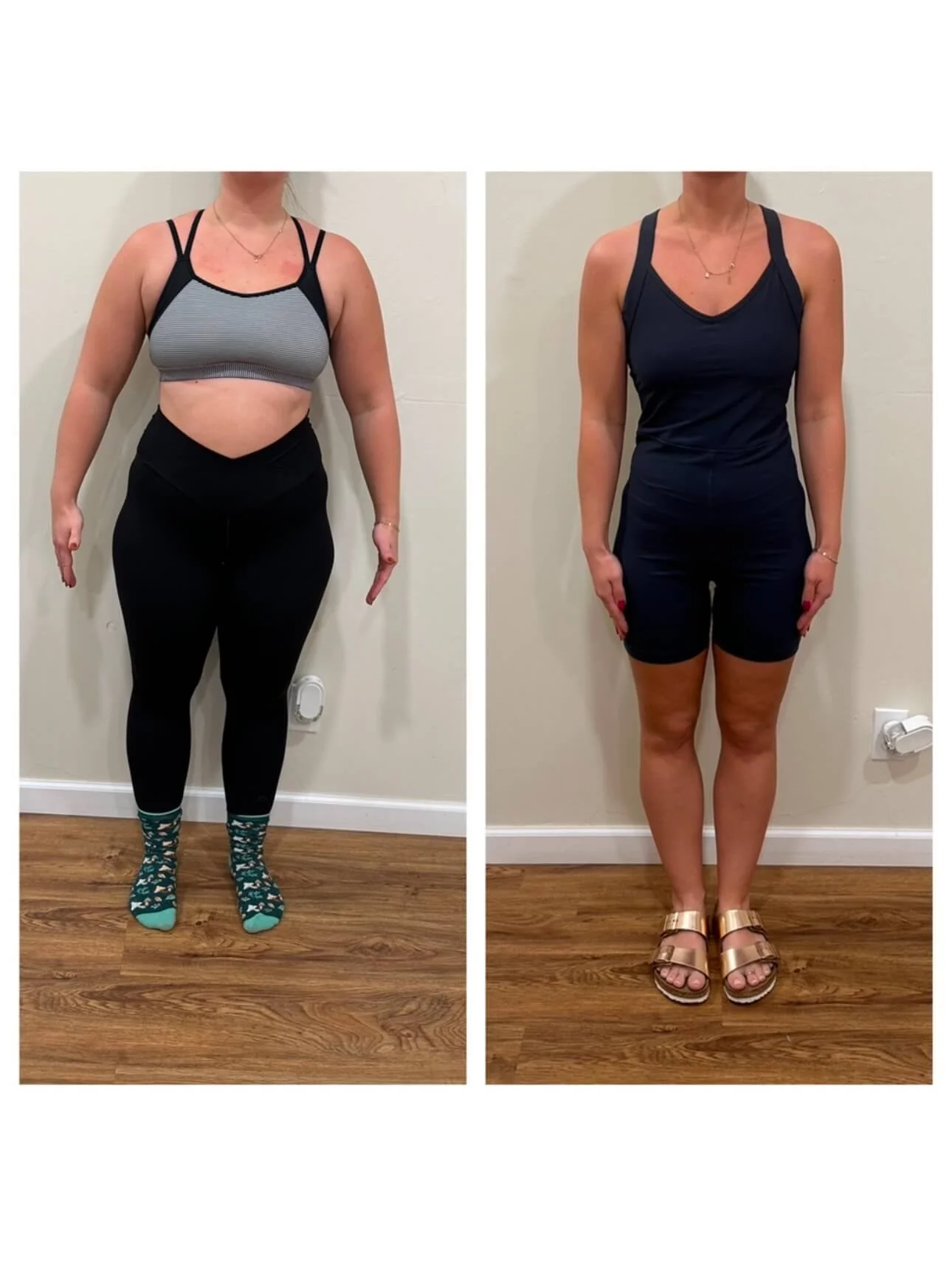
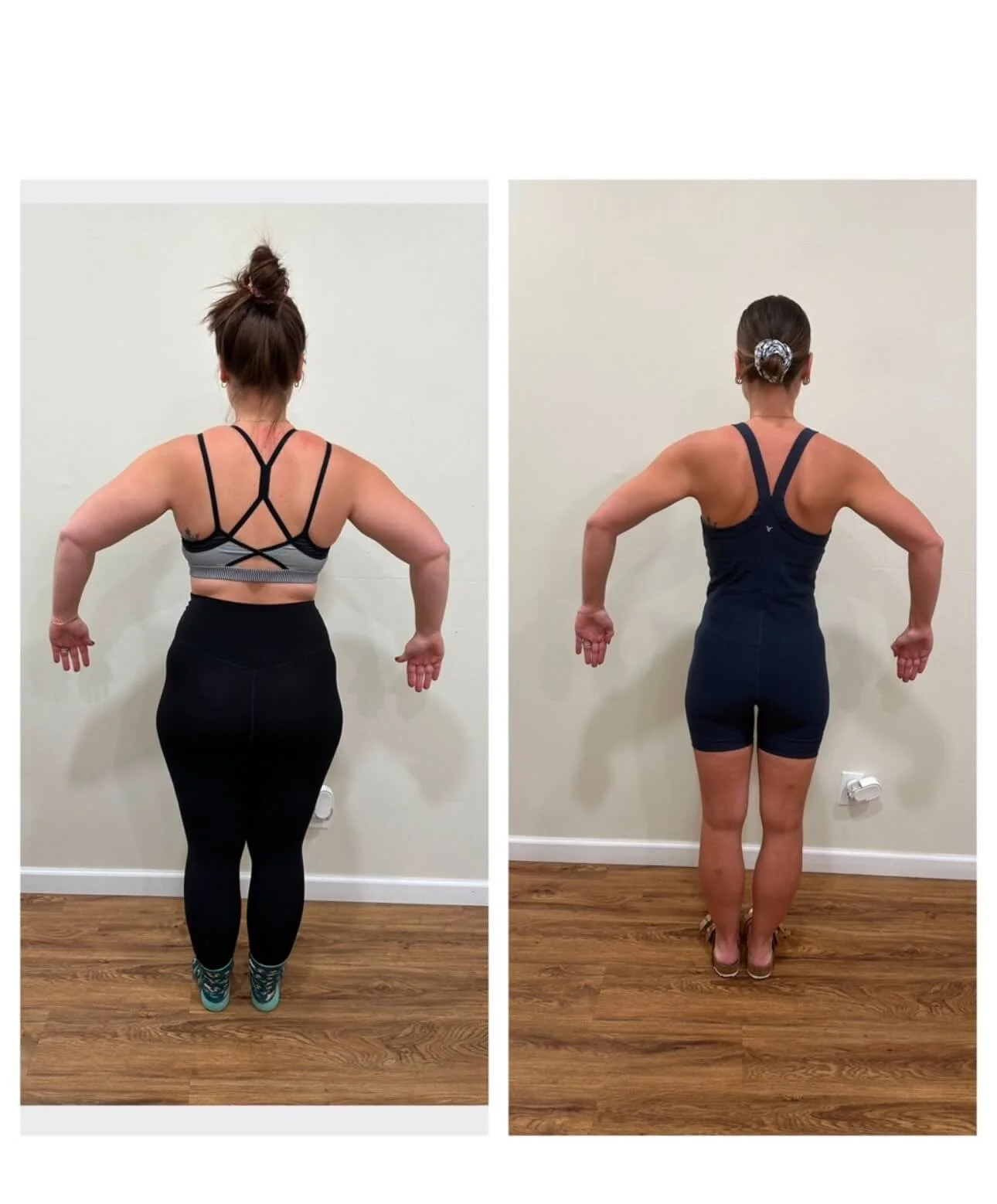
Ready to Get Started on Your Weight Loss Journey?
While there's no single "best" GLP-1 medication, I can help you find the best one for you.
At Sii Bello Beauty Bar, I take a personalized approach to help you choose the right medication and build a plan that supports your long-term success. If you're ready to explore whether GLP-1 therapy is right for you, I'm here to help you every step of the way. Take the first step today and book your medical weight loss consultation at the link below.
FAQs: GLP-1s for Weight Management
-
The effectiveness of each GLP-1 depends on the individual and what "effective" means to you. On average, Tirzepatide shows greater weight loss in studies, but the side effects may not be tolerable for some people. On the other hand, Semaglutide still results in significant weight loss but may be better tolerated.
-
Neither is universally "better." The best option depends on your goals, medical history, and tolerance for side effects.
-
If you're being prescribed a GLP-1 medication by Pam at Sii Bello Beauty Bar, you must be seen once a month. This is to make sure you're losing weight safely, not having any dangerous side effects, and getting the support you need. I'm unable to continue prescriptions for clients who are not seen on a monthly basis.
-
Zepbound (Tirzepatide) isn't "safer" than Ozempic (Semaglutide). This is because both of these medications are considered safe when properly prescribed and monitored by a healthcare professional.
-
You may be a good candidate for a GLP-1 medication if you're overweight or have obesity, have at least one metabolic health condition, and haven't been able to lose weight with lifestyle changes alone. Examples of metabolic health conditions are type 2 diabetes, high blood pressure, high cholesterol, and heart disease.
-
GLP-1 agonists work by mimicking a hormone your body naturally produces called GLP-1 (glucagon-like-peptide-1). By having more of this hormone in your body, people who take a GLP-1 medication have improved:
Appetite regulation
Insulin sensitivity
Metabolic health
